
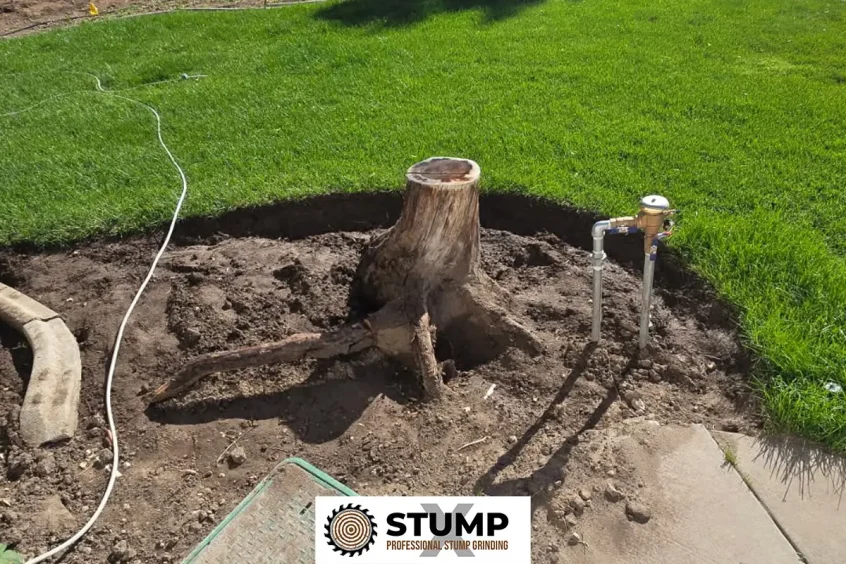
TL;DR:
Old tree roots can cause uneven ground, regrowth, and problems with future landscaping. Stump grinding suits surface restoration, while full removal is better when deeper excavation is planned.
A tree can add beauty, shade, and value to your property for decades. Across the U.S., urban trees deliver more than $18 billion in annual value through higher property values, lower energy use, and improved stormwater management. Poor tree management, however, can turn these benefits into expensive challenges.
For example, once removed, stumps can remain below the surface and affect your plans. Meaning, buried roots may seem out of sight, but they can interfere with new landscaping, hardscaping, lawn restoration, or construction projects.
This is why understanding tree root problems is important for homeowners. It gives them a clearer idea of what to expect after tree removal and whether any additional work is worth considering.
While some roots naturally break down over time without causing any issues, others can create unexpected obstacles. They may lead to uneven ground, make planting difficult, or interfere with future improvements. Recognizing these potential problems early can help you plan with confidence, avoid unnecessary setbacks, and make better decisions for your property.
In this blog, you’ll learn the common signs of tree root problems, how they can affect your property, and when stump grinding is the right solution.
In Short: Tree roots do not always need to be removed after a tree is cut down. The right solution depends on what the roots are affecting and how the space will be used next.
Why Tree Roots Can Become a Problem After a Tree Is Removed
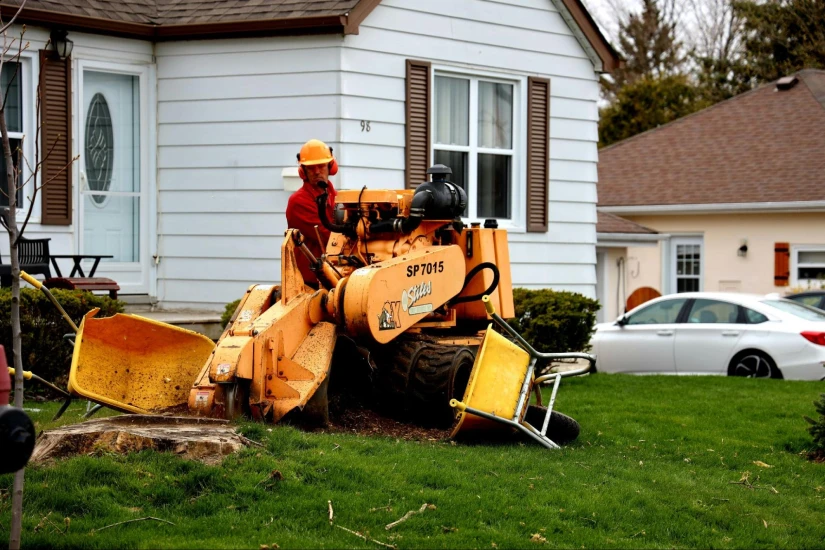
The roots of a tree gradually decompose over several years, depending on the tree species, soil conditions, and moisture levels. During that period, the remaining roots can still affect the surrounding landscape.
Certain species may continue producing new shoots, while large surface roots may interfere with mowing or landscape improvements. Homeowners planning to install sod, plant shrubs, or redesign their outdoor space should understand how these underground roots may influence their next project.
So, learning the signs of tree root problems early allows you to decide whether stump grinding is enough or whether full stump removal is the better solution.
What to Expect: After tree removal, underground roots may slowly decay or continue producing new growth. Surface roots can also interfere with mowing, planting, and future landscaping projects.
Common Signs Tree Roots Are Causing Problems
Every yard responds differently after a tree removal. So, paying attention to changes around the property is important, as it can help identify whether roots are contributing to the issue.
Uneven Lawns and Raised Ground
Large roots close to the surface can push up sections of soil, leaving uneven areas throughout the lawn. These raised spots make mowing more difficult and create tripping hazards for family members and visitors.
Ground movement may remain visible even after the tree has been cut down, especially if the root system was extensive before removal.
Damage to Sidewalks, Driveways, and Patios
Roots naturally expand as a tree grows. Over time, they may contribute to lifted concrete, shifting pavers, or uneven walkways when growing beneath hard surfaces.
Homeowners concerned about tree root damage to property should have the affected area evaluated before assuming the roots are entirely responsible. Soil movement, drainage issues, and age can also contribute to changes in concrete or masonry.
Recurring Root Sprouts Around the Yard
Some tree species continue producing new shoots from their remaining root system after the trunk has been removed. Some of the common examples include aspen, elm, and box elder trees.
These sprouts can appear throughout the lawn, requiring repeated trimming if the remaining root system is still active. Spotting this early is one of the most common signs of tree root problems and may influence the type of service you choose.
Difficulty With New Landscaping Projects
Old roots can make digging more difficult when installing flower beds, shrubs, irrigation lines, or decorative landscape features. Homeowners sometimes discover buried roots only after beginning a landscaping project.
Planning ahead allows you to determine whether additional stump or root work should be completed before investing in new outdoor improvements.
Warning Signs: Repeated sprouts, raised soil, difficult digging, and shifting hardscapes may point to old roots below the surface. A full property assessment can help confirm the actual cause.
When Stump Grinding Solves the Problem
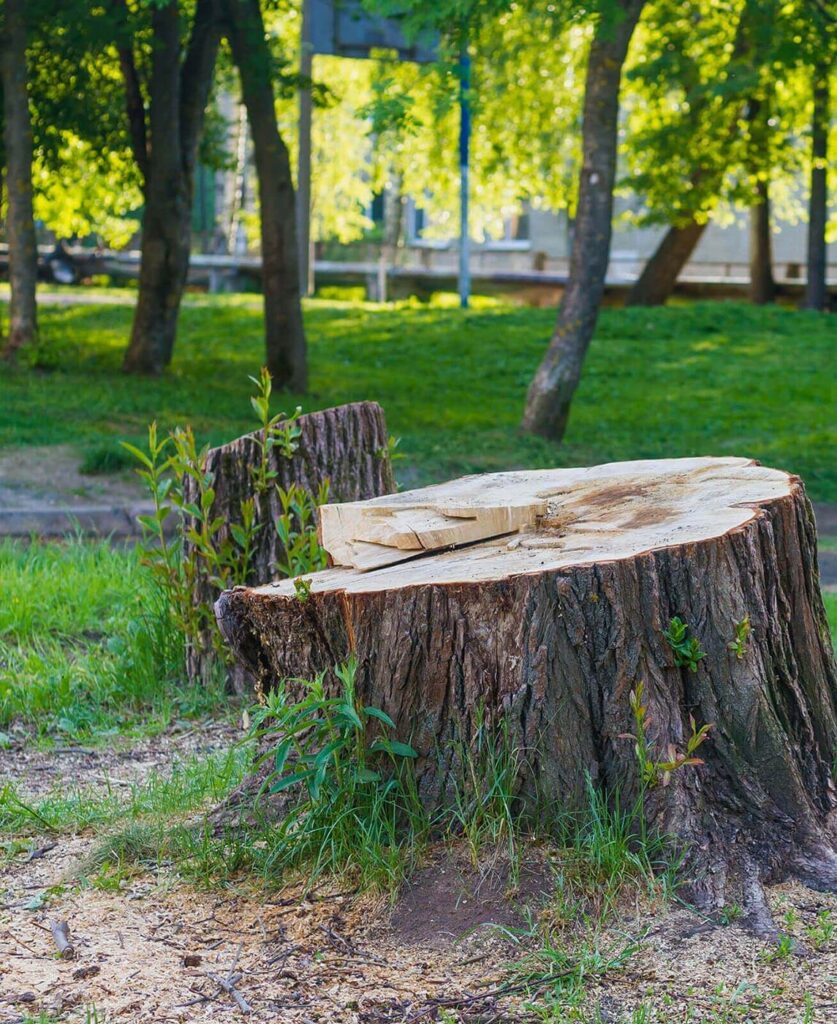
For most residential properties, stump grinding is a natural solution. It is an efficient way to eliminate the visible stump while preserving much of the surrounding landscape.
During the process, specialized equipment grinds the stump several inches below ground level. The remaining space is typically backfilled. This allows homeowners to restore grass or begin other landscaping projects.
Stump grinding works well when the goal is improving curb appeal, making lawn maintenance easier, or preparing the area for sod. Since most underground roots remain undisturbed, nearby sidewalks, irrigation systems, and surrounding trees experience minimal disruption.
Existing tree root problems may gradually improve as the remaining roots naturally decay beneath the soil. Since decomposition takes time, homeowners should understand that stump grinding removes the stump itself rather than every root underground.
What It Solves: Professional stump grinding removes the visible stump and reduces the obstacle it creates in the yard. It is especially useful when full root removal is not necessary.
When Full Stump Removal Makes More Sense
Some situations call for a more holistic solution. That is, full stump removal extracts the stump along with much of the connected root system. This option may be recommended when major construction or excavation is planned. Removing the roots creates a cleaner area for projects that require deeper access below ground.
Homeowners may also consider full tree stump removal after tree damage when rebuilding areas affected by storms or preparing the property for significant landscape changes.
In short, full stump removal is commonly chosen for projects such as:
- Building room additions or new foundations
- Installing underground utility lines
- Planting a new tree in the exact same location
- Large grading or excavation projects
Better Choice: Full stump removal is more suitable when roots must be cleared for foundations, utility work, grading, or planting another tree in the same location.
Can Tree Roots Damage Pipes and Foundations?
A common concern after tree removal is whether the remaining roots can damage foundations or underground pipes.
Tree roots naturally grow toward moisture. Rather than breaking solid pipes or foundations, they typically enter areas where small cracks, loose joints, or existing weaknesses already exist. Once inside, continued growth may make those issues more noticeable.
Visible settling or plumbing problems do not automatically point to roots as the cause. A professional inspection can provide a much clearer picture before deciding whether root removal is necessary. When evaluating possible tree root damage to property, looking at the entire landscape instead of a single symptom can help to make better decisions.
Important Note: Roots usually enter existing cracks or weak joints rather than damaging sound pipes or foundations. An inspection can help separate root-related issues from drainage, soil, or structural problems.
How to Decide Which Service Is Right for Your Property
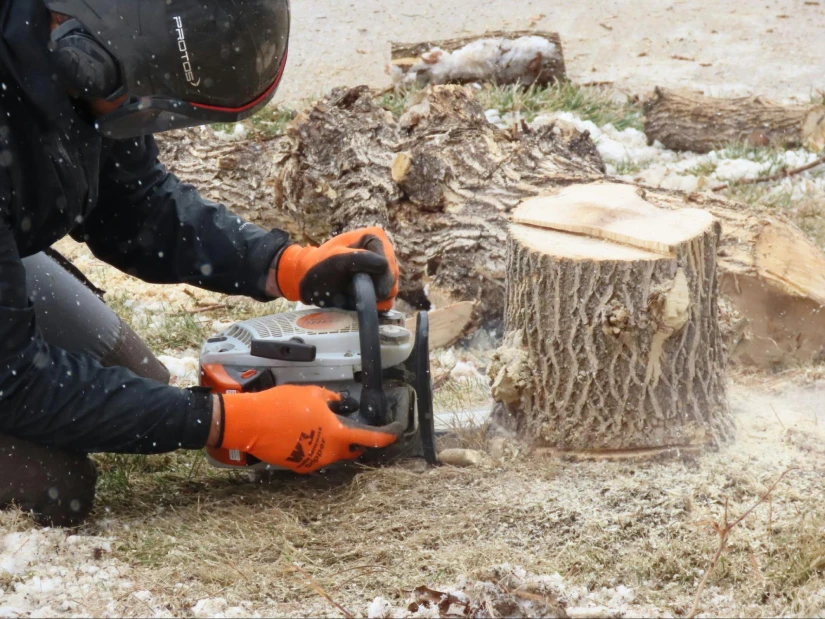
Choosing between stump grinding and complete removal depends on what you plan to do with the space after the work is finished. Here are some of the factors that can help determine the best approach:
- Your future landscaping or construction plans
- The size and species of the original tree
- The stump’s location near structures or utilities
- Your budget and project timeline
Pro tip: Homeowners considering tree stump removal after tree damage should also think about whether rebuilding, replanting, or grading is part of the overall project. A professional assessment can help identify the option that matches both the property and your long-term goals.
Quick Comparison: Choose stump grinding for lawn restoration and minimal disruption. Choose complete stump removal when construction, excavation, utilities, or same-location replanting requires clearer ground.
Give Your Landscape a Fresh Start
Old stumps and roots do not always require the same solution. While some properties need stump grinding to improve the appearance and usability of the yard, others benefit from complete stump removal before landscaping or construction begins. Taking the time to evaluate your property, future plans, and the condition of the remaining root system can help you choose the option that delivers the best long-term results.
Addressing tree root problems early also helps create a more functional outdoor space. Whether you’re planning to install a patio, plant a new tree, expand your lawn, or start a larger renovation, clearing the area properly gives your next project a stronger foundation and helps avoid unnecessary setbacks later on.
At Utah Stump X, we combine professional stump grinding and removal with honest guidance to help homeowners make the right choice for their property. Proudly serving communities from Bountiful to Santaquin, our experienced team prioritizes safe work practices, quality workmanship, and lasting results while taking the time to explain the process and answer your questions every step of the way.
If you’re ready to reclaim your outdoor space or want expert advice on the best solution for your property, contact us today.