

TL;DR:
Old tree stumps can create trip hazards, attract insects, encourage unwanted growth, and limit future landscaping. Professional stump grinding removes the visible obstruction with less disruption than full root extraction.
What looks like a harmless leftover today can become a costly problem over time. After a tree is removed, many property owners assume the job is finished, but the remaining stump continues to change over time. An old tree stump problem may seem insignificant at first, especially if it sits quietly in the corner of a yard.
As the seasons pass, moisture, insects, and natural decay gradually turn that forgotten stump into an obstacle that affects safety, maintenance, and future landscaping. This is why learning what happens after tree removal is important, as it can help property owners in Utah make smarter decisions before small issues become expensive ones.
In this blog, we’ll explore the hidden risks of leaving old tree stumps behind and why removing them early can save Utah property owners time, money, and future maintenance.
In Short: An old stump can make lawn care harder, take up usable space, and lead to decay or unwanted regrowth over time.

Tree Stumps Create Safety Risks That Grow Over Time
Trip Hazards for Family Members, Visitors, and Employees
An exposed stump can interrupt the natural flow of any outdoor space. Children playing in the yard, guests walking through a garden, or workers crossing landscaped areas may not notice a stump until it is too late. Uneven ground also becomes harder to navigate after rain or snowfall, which is especially relevant during Utah’s changing seasons.
Commercial properties face another challenge. Businesses work hard to present clean, accessible entrances and outdoor spaces. An overlooked stump can create a potential safety concern while making the landscape appear unfinished. That said, property owners who address the dangers of old tree stumps create a safer environment for everyone using the space.
Lawn Maintenance Becomes More Difficult
Routine lawn care becomes more time-consuming when a stump remains in the yard. Mowing requires extra passes, edging takes longer, and trimming around exposed roots becomes a recurring chore.
During Utah winters, snow can hide old stumps from view, making snow removal more difficult and increasing the risk of striking them with equipment. Hidden beneath fresh snow, old tree stumps become harder to detect, making snow removal more difficult and increasing the risk of striking them with equipment.
Over time, working around these obstacles adds unnecessary effort to regular maintenance and raises the likelihood of damaging lawn equipment. Removing the stump can create a smoother, more functional landscape that’s easier to maintain year-round.
Note: Snow can hide low stumps and exposed roots during Utah winters, increasing the chance of trips or equipment damage. Removing the obstacle keeps residential and commercial landscapes easier to use year-round.
Old Stumps Can Attract Pests and Encourage Decay
A Decaying Stump Becomes a Home for Insects
Wood naturally breaks down with time, creating an attractive home for insects that thrive in decaying material. Beetles, carpenter ants, termites, and other wood-boring pests commonly seek shelter in aging stumps. Although every situation differs, allowing a stump to decay for years gives insects one more place to establish themselves.
Property owners considering tree stump removal often do so before decay creates favorable conditions for unwanted pests. Removing the visible stump eliminates a significant source of rotting wood from the landscape.
Fungi and Rot Can Affect the Appearance of Your Landscape
An old stump continues to deteriorate long after the tree has been removed. As moisture gradually softens the wood, fungi begin growing on the surface, and the stump slowly loses its structural integrity. Instead of blending into the landscape, it can become one of the first things visitors notice.
A neglected stump can also make an otherwise well-maintained property look unfinished. So, whether it’s a residential lawn or a commercial landscape, clean, open spaces create a more polished appearance while making ongoing maintenance and future landscaping much easier.
Common Mistake: Property owners often assume a stump is harmless once the tree is gone. However, the remaining wood continues to absorb moisture and decay, creating more maintenance as time passes.
Stumps Can Limit Future Landscaping Plans
They Take Up Valuable Outdoor Space
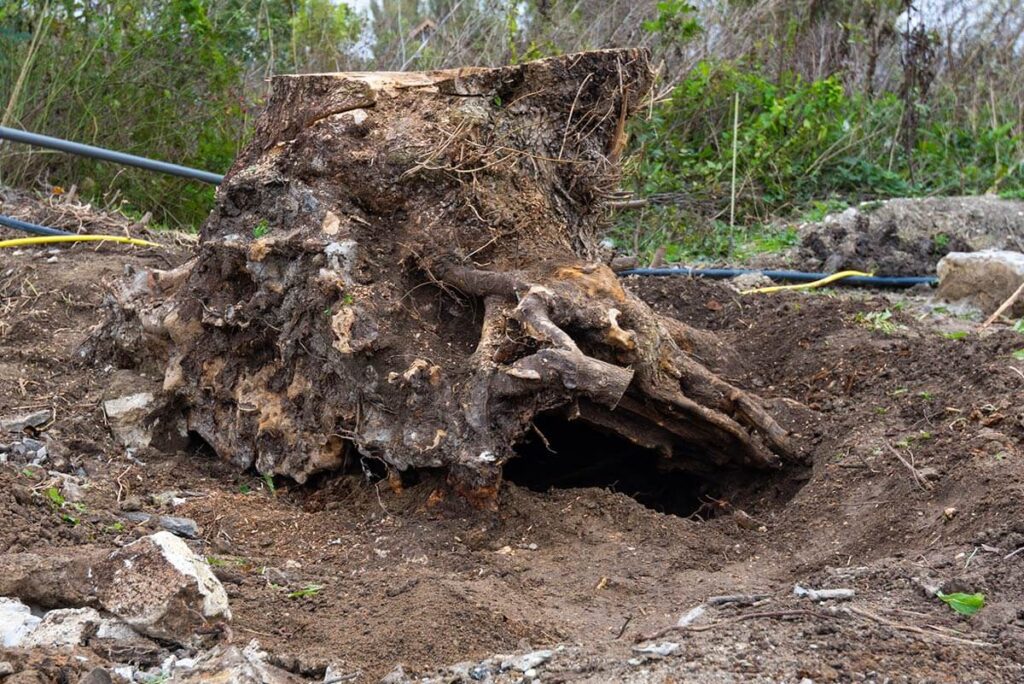
Outdoor improvements can become harder when an old stump occupies valuable space. Property owners may want to expand a lawn, create a flower bed, install decorative rock, or redesign a commercial entrance. Every new project starts with the same question: what should be done about the remaining stump?
An old tree stump problem limits flexibility by occupying space that could serve a more practical purpose. Removing it opens opportunities for new landscaping without forcing designers or contractors to work around unnecessary obstacles.
New Projects Become More Complicated
Clearing the ground is a critical step in any construction or landscaping project. Leftover stumps can significantly complicate the installation of patios, fences, irrigation systems, walkways, and retaining walls.
Trying to design around an existing stump often leads to increased labor costs, compromised designs, and project delays. By incorporating professional tree stump removal into your early planning, you can support a smoother workflow and protect the integrity of your surrounding landscape.
What This Means For You: Removing an old tree stump before starting a landscaping project gives contractors a clearer, more usable work area. It can also prevent delays when installing grass, irrigation, walkways, or other outdoor features.
Some Trees Continue Producing New Growth
Root Sprouts Can Become an Ongoing Maintenance Issue
Certain tree species common in Utah continue sending up shoots even after the trunk has been cut down. These new sprouts often appear around the original stump or emerge from nearby roots, creating a persistent issue.
While regular trimming offers temporary relief, the growth frequently returns, turning into a frustrating cycle of maintenance for homeowners who expected the problem to end with the tree’s removal. In fact, one of the most overlooked risks of leaving tree stumps in yard spaces is having to deal with this unwanted regrowth long after the original tree disappears.
Why Early Action Can Prevent Bigger Problems
If a stump problem is addressed sooner, property owners can have greater control over future maintenance. Waiting several years promotes decay, insect activity, and unwanted shoots, creating additional work over time.
Early removal also keeps outdoor spaces more usable for recreation, landscaping, or commercial improvements. While every property has different needs, dealing with a stump before additional issues develop typically saves time and reduces long-term maintenance.
Signs To Watch For: New shoots around the stump or nearby lawn may indicate that the remaining root system is still producing growth. Repeated trimming usually manages the symptom without addressing the old stump problem.
Why Professional Stump Grinding Is the Practical Solution
Removing the Visible Stump Without Major Landscape Disruption
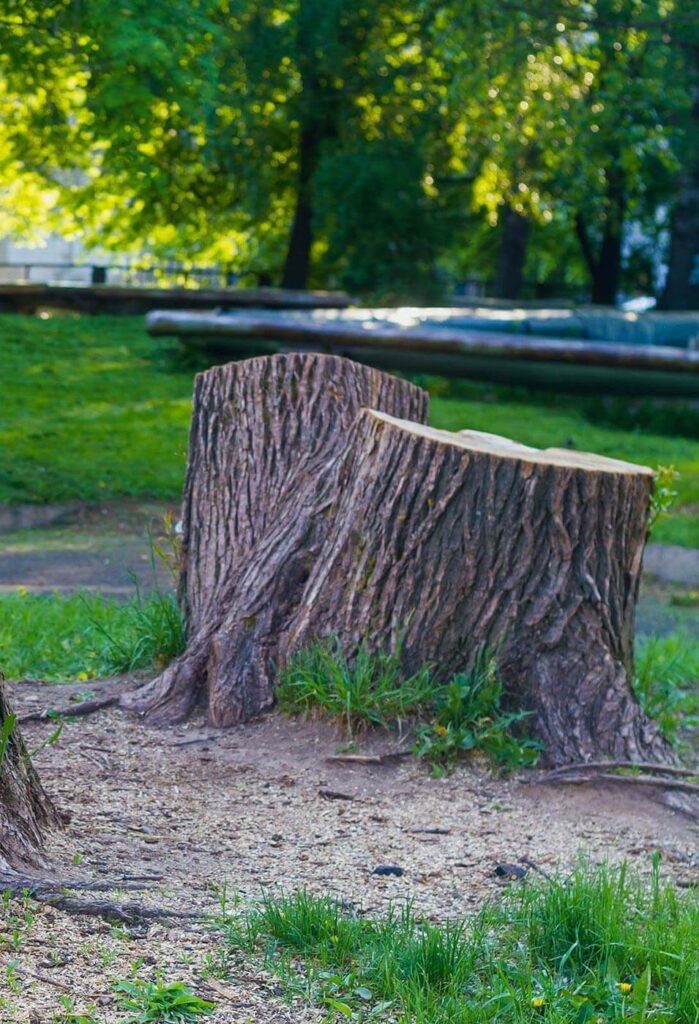
In some cases, complete stump removal is not required. While complete stump removal is suitable for construction projects or situations requiring full root removal, most residential and commercial landscapes benefit from stump grinding. This process removes the visible stump several inches below grade while leaving much of the deeper root system to break down naturally.
It limits disruption to surrounding soil, nearby landscaping, sidewalks, irrigation systems, and established plants. Property owners concerned about the dangers of old tree stumps prefer stump grinding as it provides an effective balance between appearance, safety, and efficiency.
Preparing the Property for What’s Next
Once the stump has been ground down, the area can be backfilled and prepared for new grass, decorative landscaping, or future outdoor projects. Lawn maintenance becomes easier, the space is safer and more functional, and homeowners gain the flexibility to redesign or expand their landscape without working around an unnecessary obstacle.
Addressing the risks of leaving tree stumps in yard areas also helps prevent future issues while creating a clean foundation for better lawn growth, improved curb appeal, and upcoming landscaping plans.
Key Benefit: Choosing professional stump grinding helps restore your outdoor space quickly while protecting the surrounding landscape and preparing the area for future use.
Final Thoughts
Leaving a tree stump behind may seem like a simple choice, but its impact can grow over time. From safety concerns and pest activity to unwanted regrowth and limitations on future landscaping, an overlooked stump can slowly affect how a property looks, functions, and feels. Addressing an old tree stump problem before these issues become more noticeable helps homeowners and businesses maintain cleaner, more usable outdoor spaces.
A professional stump removal solution also gives property owners more freedom to improve their landscapes without working around unnecessary obstacles. Whether the goal is creating a healthier lawn, improving curb appeal, or preparing for a new outdoor project, removing an old stump provides a better foundation for future improvements.
Utah Stump X helps homeowners, businesses, municipalities, and property managers throughout Utah restore their outdoor spaces with professional stump grinding services. Founded by Utah natives with a passion for the outdoors, the team focuses on combining quality workmanship, safety-focused practices, and expert guidance to deliver solutions that match each property’s needs.
If you have an old stump affecting your yard’s appearance, maintenance, or future plans, contact us today.