
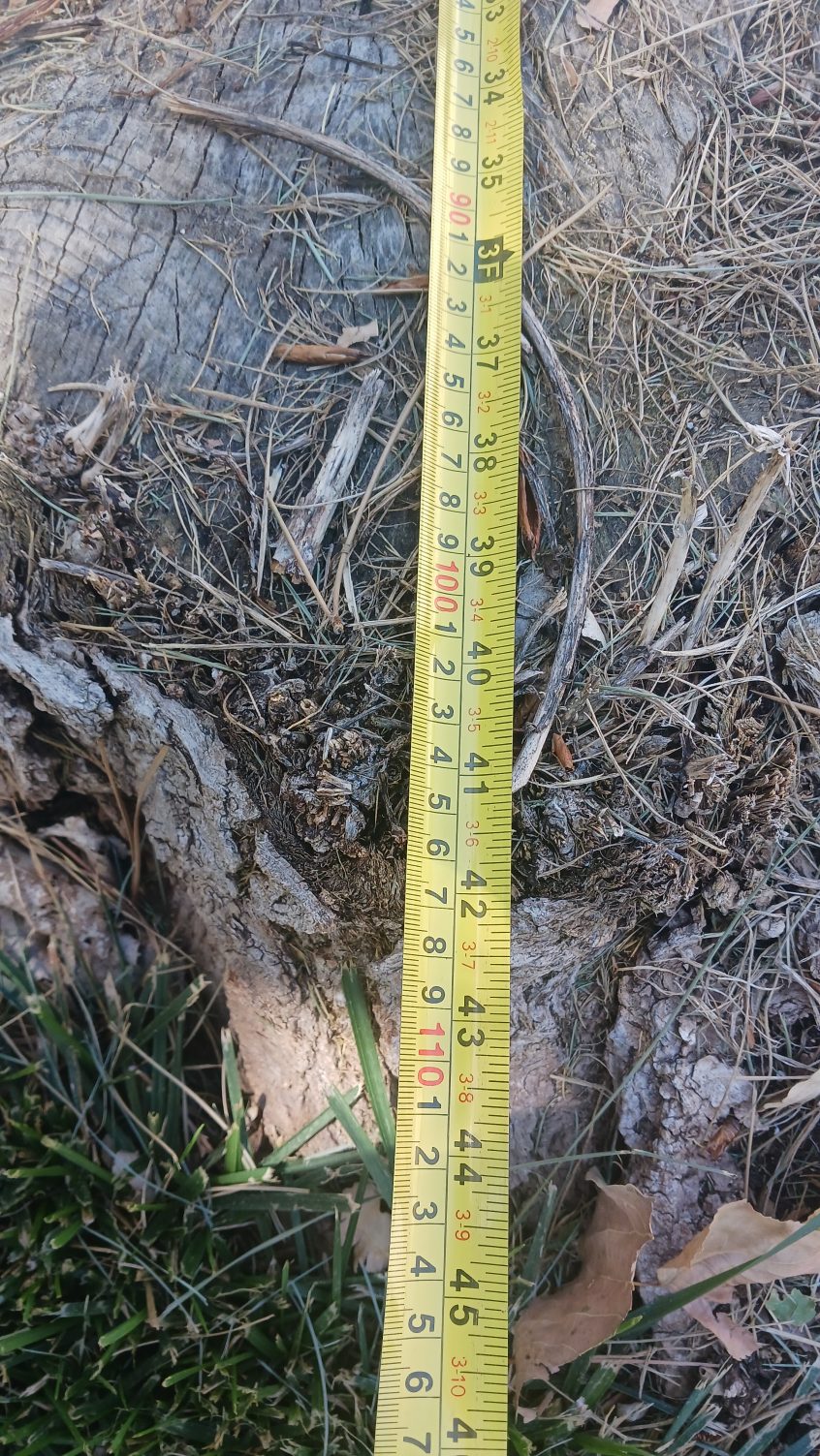
Cottonwood trees are impressive while alive, but the large stumps they leave behind often become a nuisance. In Sandy, Utah, a homeowner contacted Utah Stump X about a 43-inch stump in the backyard that needed removing. The goal was clear: grind the stump down below surface level so the backyard could be restored and ready for new use.
This project may sound straightforward, but big stumps bring specific challenges. Proper planning, access, and technique make all the difference when it comes to stump removal and long-term yard usability.
Preparing for Stump Grinding
Large cottonwood stumps sit heavy and wide. Because of their root structure, they often connect to a network of roots that spread under the soil surface. Simply cutting the stump off at ground level or relying on stump poisoning won’t address the core issue: the wood and root mass still sit in the ground and can interfere with lawn care or landscaping.
On this job, our crew confirmed a clear access path to the backyard so we could bring in the grinder without damaging fences or the yard itself. Access planning matters, especially in Sandy and other busy Salt Lake County neighborhoods where lots often sit close to property lines and utility lines.
Once access was arranged, the team positioned the grinder and began breaking the stump down.

Grinding Below Grade for Lasting Results
For a stump of this size, grinding below grade is essential. On this project, the stump was ground down 4–6 inches below the surface. Grinding to this depth accomplishes a few things: it removes the visible wood, prevents future regrowth, and prepares the area for backfilling with clean soil.
This depth also makes the ground level and safer for future activities. Homeowners can replant grass, install hardscape features, or simply enjoy a smooth lawn space.
Stump Poisoning Isn’t Enough
Some homeowners consider stump poisoning when they want to avoid immediate grinding. Poisoning slows the stump’s decay by applying chemicals to the remaining wood. However, stump poisoning does not remove the physical structure. The wood remains intact underground, and roots still create obstacles for mowing, soil leveling, and new planting.
For large stumps like this cottonwood, stump grinding remains the most complete solution. It removes the stump and most of the root flare below the surface, allowing the yard to return to normal more quickly.
Cleaning Up and Backfilling
Once the grinding was complete, we cleaned up the wood chips and debris from the area. While mulch removal was not part of this particular job, the grindings were contained so they did not spread into landscaping beds or lawn areas.
Next, the hole left by the stump was backfilled with soil to match the surrounding grade. Proper backfilling eliminates low spots that can collect water after rain or irrigation. It also prevents tripping hazards and ensures the backyard looks and feels restored.
Serving Sandy and Surrounding Communities
Utah Stump X provides professional stump grinding and stump removal services throughout Utah, from Bountiful to Santaquin. We also serve Sandy, Lehi, and other parts of Salt Lake County. Local knowledge helps us understand soil conditions, access challenges, and homeowner needs in Utah County and surrounding regions.
A 43-inch stump might seem like just another yard obstacle, but when removed properly, it opens up space and restores yard function. Whether you’re planning new landscaping or simply reclaiming space, effective stump removal makes a big difference in how your outdoor area feels and performs.